[:it]Partecipazione alla Maker In Residency per OpenCare [:en]Maker In Residency Agile kickoff for OpenCare[:]
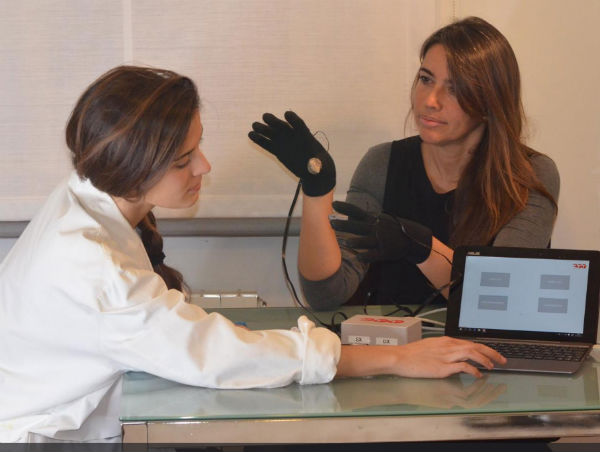
[:it]Lo scorso Luglio è iniziata la nostra esperienza con il progetto Opencare MIR, Maker in Residency. Questo articolo è un’analisi del nostro agile kickoff.
Se vuoi maggiori informazioni in merito ad opencare puoi leggerle qui e qui.
Ecco un breve riassunto dei primi incontri:
La nostra esperienza è differente da quella di ResQ e Breathing Games (due dei progetti che sono stati ospiti della MIR), noi di reHub siamo di Milano quindi non abiteremo al makerspace.
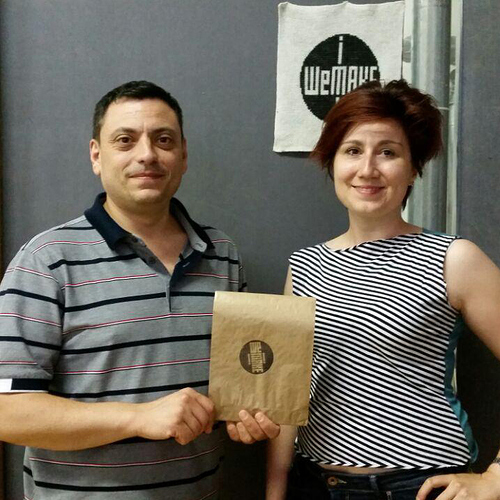
Il nostro primo incontro durante la residency è avvenuto con Chiara, del team opencare MIR.
Ci ha dato il benvenuto, consegnato il welcome pack e definito il primo appuntamento: Agile Planning.
Ecco il risultato!
1. why are we here
Nel corso del primo incontro Chiara ci ha chiesto di scrivere, separatamente, cosa ci aspettavamo da questa esperienza, ecco il risultato:

Ci siamo ritrovati allineati sulle reciproche aspettative.
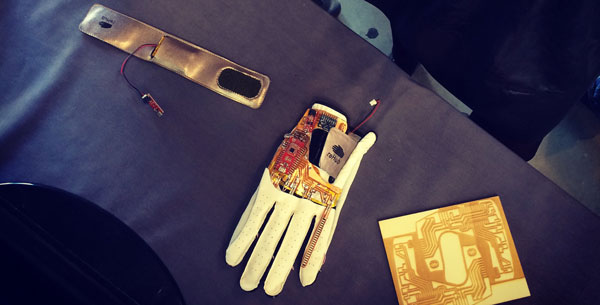
L’interesse principale di entrambi è di incontrare comunità di persone interessate al progetto ed allo sviluppo del guanto.
2. the elevator pitch
Questo step è stato molto utile per comprendere il nostro approccio al progetto:

Il risultato è stato:
“Il progetto reub è una piattaforma online e kit open source che permette il monitoraggio di dita e mani per gli sportivi, i pazienti in riabilitazione e gli studenti di musica o di attrezzature specifiche che necessitano di un dato certo e digitale per monitorare l’esercizio. A differenza del competitor Neofect il nostro è un progetto open-source e open-hardware”
3. the product box
Ci è stato richiesto di indicare 4 ragioni per le quali dei possibili utenti dovrebbero usare il nostro guanto:
- E’ opensource
- Puoi monitorare e condividere i dati raccolti per valutare gli esercizi;
- Increamente le possibilità di esercizio;
- Storicizza l’andamento della terapia e degli esercizi
Il nostro motto è:
ReHub: Improve your hands

4. the not list
Durante la fase detta “non lista” abbiamo descritto le attività in senso contrario partendo dal prodotto finito fino ad arrivare prototipo attuale.
Il risultato:


La lista delle “ultime attività” richiede una maggiore concentrazione sulla composizione dei kit e la comunicazione sul sito web ed i canali social finalizzati allo sviluppo evolutivo del software ed all’organizzazione di eventi promozionali.
Le “attività che precedono” sono focalizzate sui problemi tecnici come i test dei sensori e lo sviluppo di PCB, il campionamento tessile e sviluppo del modello digitale per il guanto.
E’ nostro interesse incontrare le comunità: i fisioterapisti e i loro pazienti oltre ad altre figure professionali interessate ai movimenti delle mani ed al loro monitoraggio.
Project plan e business plan sono di certo due attività importanti sulle quali abbiamo richiesto il supporto di esperti.
Chiara ha redatto uno schema delle attività che possiamo svolgere durante la MIR e di quello che non potranno essere prese in considerazione:


Abbiamo deciso di concentrarci sulle “attività precedenti” così come le abbiamo catalogate.
5. meet your neighbours
Abbiamo descritto le comunità che potremmo/vorremmo incontrare durante la MIR

Fisioterapisti con i propri pazienti, ma anche comunità di maker, designer, sviluppatori web ed esperti di elettronica.
Una volta finito il nostro kickoff abbiamo iniziato a lavorare sul nuovo prototipo di guanto: ne parleremo presto nel nostro prossimo post.
Team reHub[:en]Past July we started our journey with Opencare MIR, Maker in Residency. This article is a review about our agile kickoff.
Also, if you want to find out more about opencare you can read more here and here .
Our experience at Opencare MIR will be different from those of ResQ and Breathing Games (other care projects hosted before us) since we are from Milano and will not actually live in the makerspace.
Our first approach to the residency was with Chiara, from the opencare MIR team. She welcomed us with the MIR welcome pack and defined our first activity: Agile Planning.
Here’s the output!
1_ why are we here:
During this first step Chiara asked us to write, separately, what we expect from this experience.
We found out we were well aligned on our expectations.
Surely our first interest is in meeting communities of people interested in trying and developing with us our new prototype.
2_ the elevator pitch
This step was very useful to clarify our project main aspect.
The resulting sentence was:
ReHub project is an online platform and open source kit that allow the monitoring of fingers and hand movement for athletes, rehabilitation patients and music instrument students that needs a certain and digital data to monitor the exercise. Unlike Neofect project our project is open source and open hardware.
3_ the product box
Four reasons why people should use our product are:
- It’s opensource
- You can monitor and share data with who evaluates the exercise
- Increases the chances of exercise
- Historicizes the progress of therapy
Our small advertisement to be streamed on media/social is:
ReHub: Improve your hands
4_the not list
During “the not list” step, together we wrote down the activities backwards, from the one necessary to deliver a finished product/service to the one we are working on.
This is the result:
About the “last activities” we are supposed to do we focused mainly on the realization of the kit and the communication of it on the website, to renew the software 3D and organize events to promote the project.
“Earlier activities” involves technical issues like sensors testing and pcb developing, textile sampling and digital pattern development for the glove. Our interest is also directed to communities: physiotherapists and their patients, but also other people interest into the hand movements and their monitoring.
Project plan and business plan are also 2 main activities we are not able to face with our knowledge, so we will need help also on those.
Chiara’s scheme helped us define the priorities of the activities we defined:
We decided to develop first what we defined as “earlier activities” and leave our “last activities” after the MIR.
5_ meet your neighbours
Here we define the communities we would like to meet during our MIR.
Physiotherapists and patients, but also communities of makers, designers, web developer and electronic experts.
After the kickoff we started working on our new glove prototype: we will talk about it soon on the next post.
Team reHub[:]